

Weekly pelvic floor practice · plan it in three choices
Build a simple weekly pelvic floor plan
Choose a session length, decide whether to lean on slow or quick contractions, and pick reminder days you can actually keep. Then view a printable summary and put it where you will see it.
A week, dimensioned
This is a starting point, not a fixed rule
This page helps you assemble a weekly practice that fits your schedule. You choose a session length, decide whether to emphasise slow or quick contractions, and pick reminder days. You can then view a printable summary to keep somewhere visible.
Nothing here predicts what you will notice or how fast. Pelvic floor training is a skill you build through repetition, and progress varies between people. What you control is showing up for short, consistent sessions and paying attention to technique. Everything below is educational guidance for adults, written for readers in Indonesia who want a routine that survives a real week.
A note on scope: this guide covers exercise and everyday habits only. It is not a substitute for advice from a qualified health professional, and it makes no promises about results.
Choosing session length
Beginners do better with short sessions, usually five to ten minutes. The muscles tire quickly when they are new to training, and a short session you actually complete beats a long one you keep postponing.
If you have been practising for a few weeks and the muscles feel fresh afterward, you can extend slightly. If they feel heavy the next day, shorten the session instead of pushing on.
Session length, by experience
Lengths are a starting range, not a target to beat. Shorten the session before you shorten your week.
Slow or quick contractions: what to choose
Slow contractions involve holding a squeeze for several seconds and build endurance. Quick contractions are short, crisp squeezes with a full release in between, and they train a faster response.
Most plans include both. If you are just starting, lean toward slow contractions and add a few quick ones at the end. Once the movement feels reliable, you can balance them more evenly.
Hold and release
Squeeze gently, hold for a few seconds, release fully, rest before the next one. This is the part that builds steady control and keeps the routine calm.
Typically 8–10 holds · 5 s each · equal rest
Squeeze and let go
Short, crisp squeezes with a complete release in between. Add them at the end of a session rather than at the start, and stop while the movement still feels clean.
Typically 6–8 squeezes · 1 s each · full release

Attach the session to something you already do — brushing your teeth, making tea, or the first ten minutes after you get home. A cue you notice beats a schedule you have to remember.
How many days per week, and when
Three to five practice days suits most beginners, with rest days in between. Rest is part of training because the muscles recover during it. If your week is unpredictable, choose days that are usually calm rather than aiming for a perfect schedule. Two consistent days are more useful than five you frequently skip.
Setting reminder days
Pick days and times you can realistically keep. Mornings before work or evenings after dinner are common choices. The reminder does not need to be elaborate; a note on your phone or a mark on a calendar works fine.
A cue is easier than a countdown
- A note beside the bathroom mirror, where you already stand twice a day.
- A recurring phone reminder set to the same calm hour, not a countdown.
- A quiet day you never travel far, so the session survives a long commute.

What a sample week looks like
Three practice days with a rest day between each, plus two optional days for a short session if you feel fresh. Every session opens with a minute of calm breathing, moves into slow contractions, adds a few quick ones, and finishes with a relaxation check. The exact numbers matter less than repeating the pattern.
Assemble the plan in three choices
Work down the three rows, then read the printable summary underneath. Nothing here is locked in — changing a choice is normal, and the plan is meant to be revisited whenever your week shifts.
Printable summary
What to include, and where to put it
A useful summary shows the days you plan to practise, the session length, the number of slow and quick contractions, and a short reminder about breathing and relaxation. Keep it to one page. Post it where you will see it, such as beside a mirror or on the fridge. The point is a glanceable cue, not a detailed training log.
On the page
- Your chosen practice days
- Session length and number of slow holds
- Quick contractions, kept at the end
- One line on breathing and relaxing
Where to keep it
- Beside a bathroom mirror
- On the fridge door
- Inside a desk drawer at work
- A photo of it on your phone
Fitting practice around work and commutes
Long commutes are common in Indonesian cities, and they eat into the time people set aside for exercise. A session that needs a quiet room may not survive a difficult week.
Consider a shorter version you can do sitting at a desk or before leaving the house. Having a fallback plan keeps the routine alive when the day goes sideways. The fallback is not a lesser version of the plan — it is the version that keeps the habit intact until the week settles.
Adjusting the plan after two weeks
Review the plan after a fortnight. Ask whether you completed most sessions and whether the muscles felt tired or comfortable. If you missed several days, the plan was probably too ambitious. If the sessions felt easy, add a little.
Small adjustments every couple of weeks work better than rewriting the whole plan. Change one thing at a time — the length, the days, or the contraction mix — so you can tell what actually made the difference.
When to ease off
If the pelvic floor feels tense after a session, if you cannot tell whether you are engaging the right muscles, or if you notice discomfort, reduce the volume and rest. Pushing through those signals rarely helps. If something persists or worries you, speak to a qualified professional rather than adjusting the plan on your own.
Keeping the plan flexible
A weekly plan is a tool, not a commitment device. Travel, illness, and family events will interrupt it. When that happens, return to the plan at the next opportunity instead of waiting for a fresh start. The routine builder is designed to be revisited, and changing your chosen days is completely normal.
Why a printed plan helps
Writing the plan down and putting it somewhere visible removes the daily decision about whether to practise. It also makes the routine feel like a normal part of your week rather than a special project. If you prefer digital reminders, that works too. The method matters less than having a cue you will actually notice.
A builder produces a practice schedule, nothing more. What you control is short, consistent sessions and careful technique.
Common questions about building a routine
How long should I stick with one plan before changing it?
Two weeks is a reasonable review point. That is long enough to see whether the schedule fits your week without committing to something that is not working.
Can I do both slow and quick contractions in one session?
Yes, and most plans include both. Do the slow contractions first to warm up, then add a few quick ones at the end.
What if I miss several days in a row?
Restart at the next opportunity rather than waiting for a fresh week. Missing sessions does not undo previous practice.
Is a printed plan better than a phone reminder?
Either works. What matters is having a cue you will notice. Some people find a printed summary easier to keep in view.
Still unsure how to start? The beginner pelvic floor routine sets out a first fortnight in plain steps, and the daily habits guide covers the small things around a session that make it easier to repeat.
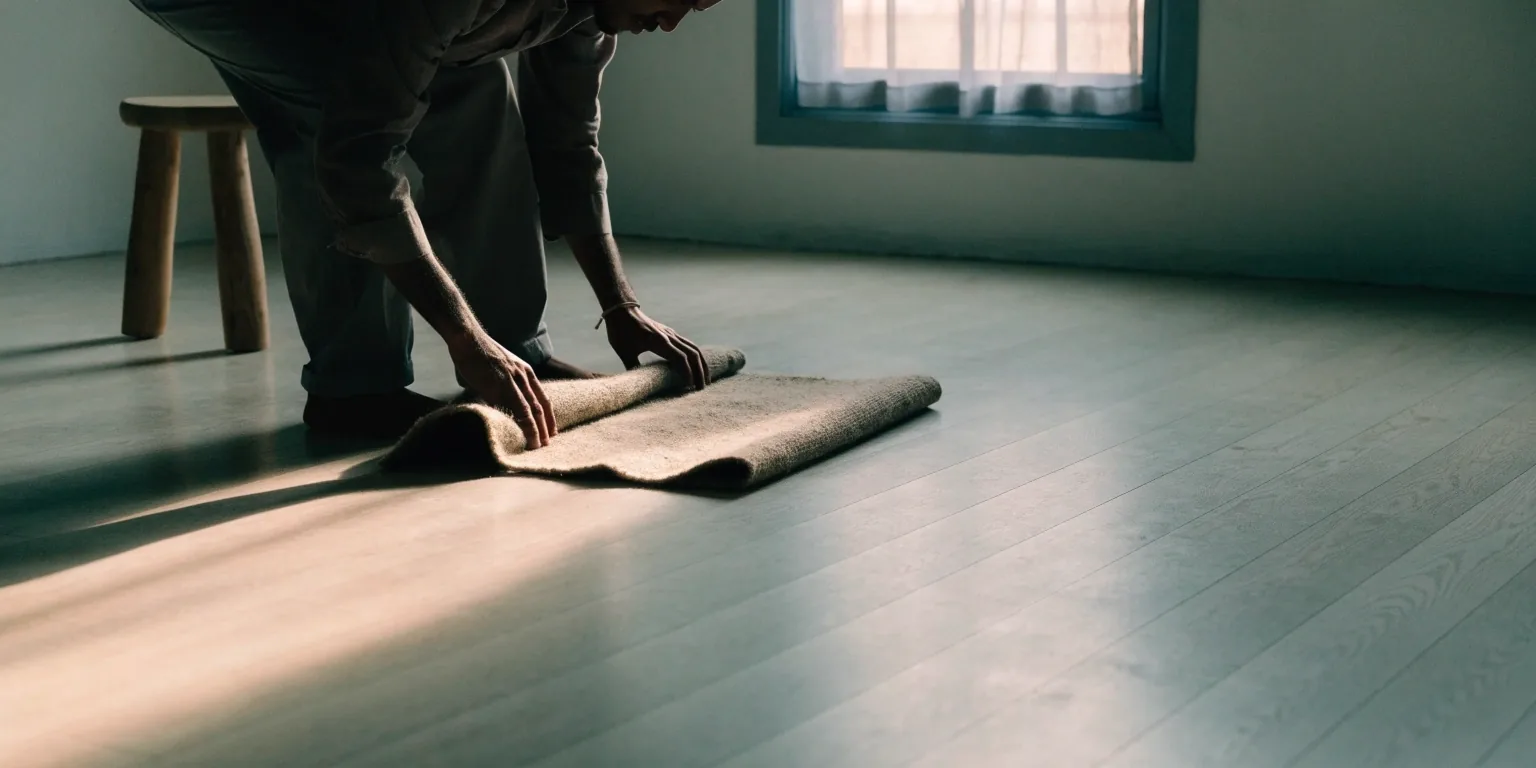
Take the plan away with you
Print the summary, put it where you will see it, and start with the shortest session you can repeat. Review it in two weeks and change one thing at a time. If you would rather read the groundwork first, the technique library explains how each contraction should feel before you build a week around it.
Questions about the guide itself can go to [email protected]. We reply Monday to Friday, 9:00 AM – 6:00 PM (WIB). This material is educational and does not replace advice from a qualified health professional.