

Jakarta · Educational resource
Learn Pelvic Floor Basics for Men
Plain-English education on pelvic floor exercises, Kegel routines, posture, and everyday habits for men in Indonesia. Nothing here is a promise about what you will experience.
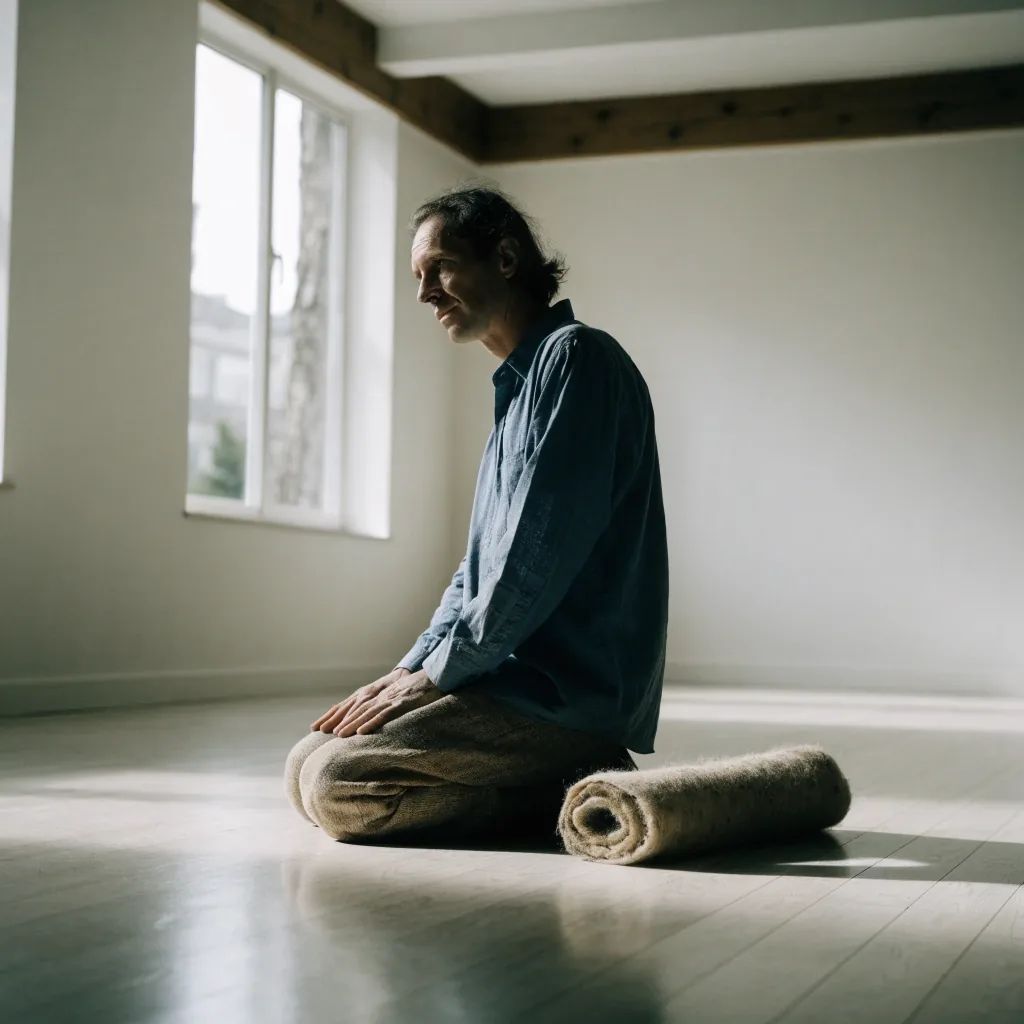
- Session
- 4–6 min
- Slow hold
- 5 sec
- Quick reps
- 10
- Days / week
- 3–4
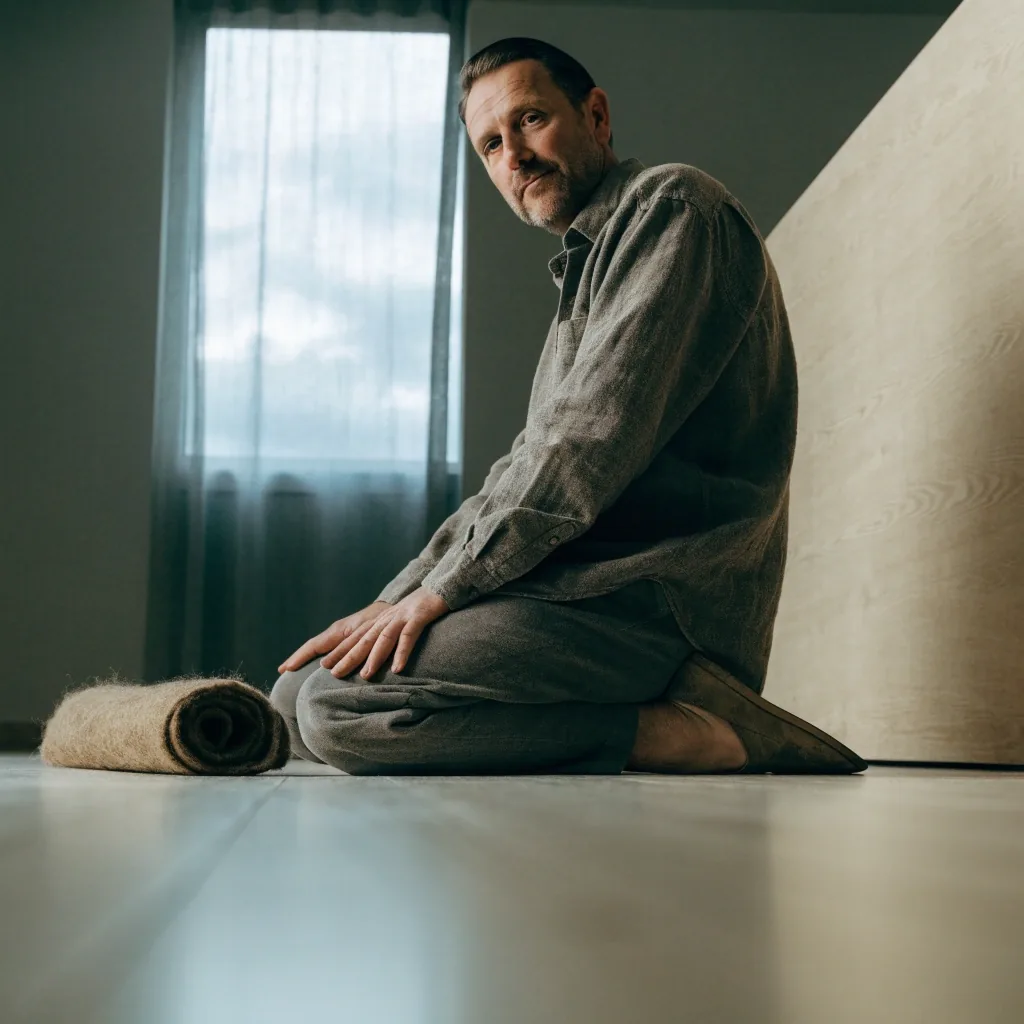
- Session
- 4–6 min
- Slow hold
- 5 sec
- Quick reps
- 10
- Days / week
- 3–4
Start with the disclaimer, not the exercises
This site is an educational resource about pelvic floor exercises, Kegel routines, posture, and everyday habits for men in Indonesia. It is not a source of professional advice, and nothing here is a promise about what you will experience. Read the disclaimer at the top of every page before you start. If you have concerns about your body, talk to a qualified professional.
Pelvic floor training is a self-care practice, not a substitute for qualified guidance. If you feel pain, numbness, or sudden changes in how your body works, stop and seek qualified advice. This site does not assess or advise on individual situations.
What this site covers
Pelvic Strength Guide collects plain-language explanations of pelvic floor muscle training, often called Kegel exercises, along with posture notes, breathing cues, and daily habit ideas.
The material is written for adult men who want to understand how the muscles work and how to practise engaging them. Each page sticks to education, not promotion.
-
Routine
A beginner session you can follow at home, sequenced slow and quick.
-
Technique
A library that explains how to engage the muscles without squeezing the buttocks, thighs, or stomach.
-
Habits
Practical ideas for movement breaks, water, sleep rhythm, and calm breathing around a working day.
-
Planner
A routine builder that produces a printable weekly summary you can keep somewhere visible.
Consistency beats intensity when you are learning a new physical skill. A few short sessions per week are easier to keep than one long session you dread.
Nothing on this site promises a specific outcome. What it does is explain the exercises in plain English, describe common mistakes, and point to the kind of general information that public health bodies publish.
Why pelvic floor muscles matter in daily life
The pelvic floor is a group of muscles that sits at the base of the pelvis, spanning from the pubic bone at the front to the tailbone at the back. These muscles support the organs above them and play a role in bladder and bowel control.
They also contribute to core stability, which affects how you move, lift, and sit through a long day. Many men never think about this muscle group until something draws attention to it, which is exactly why basic education helps.
How you sit and breathe affects how well you can engage these muscles. Slumped posture shortens the space the muscles need to work in, and held breath creates unnecessary tension. Breathing steadily through a contraction usually makes the movement easier to control.
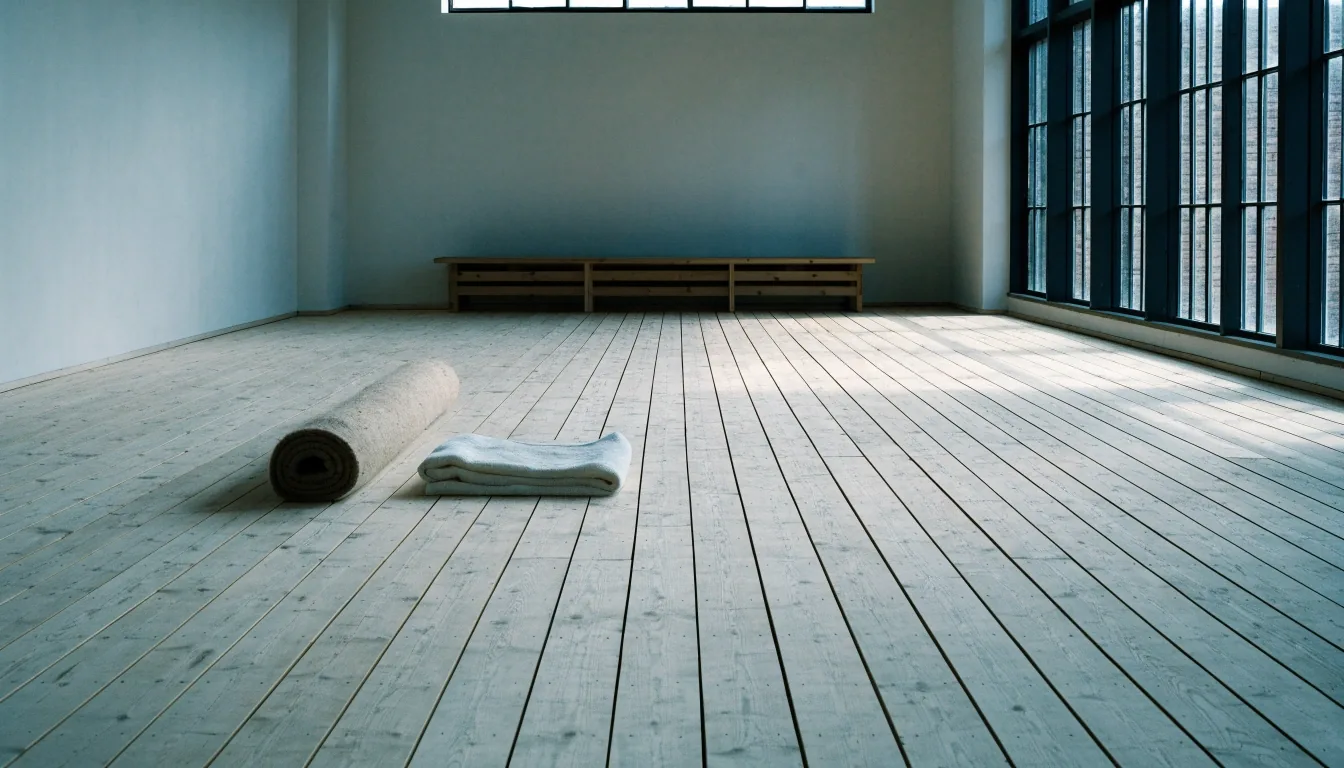
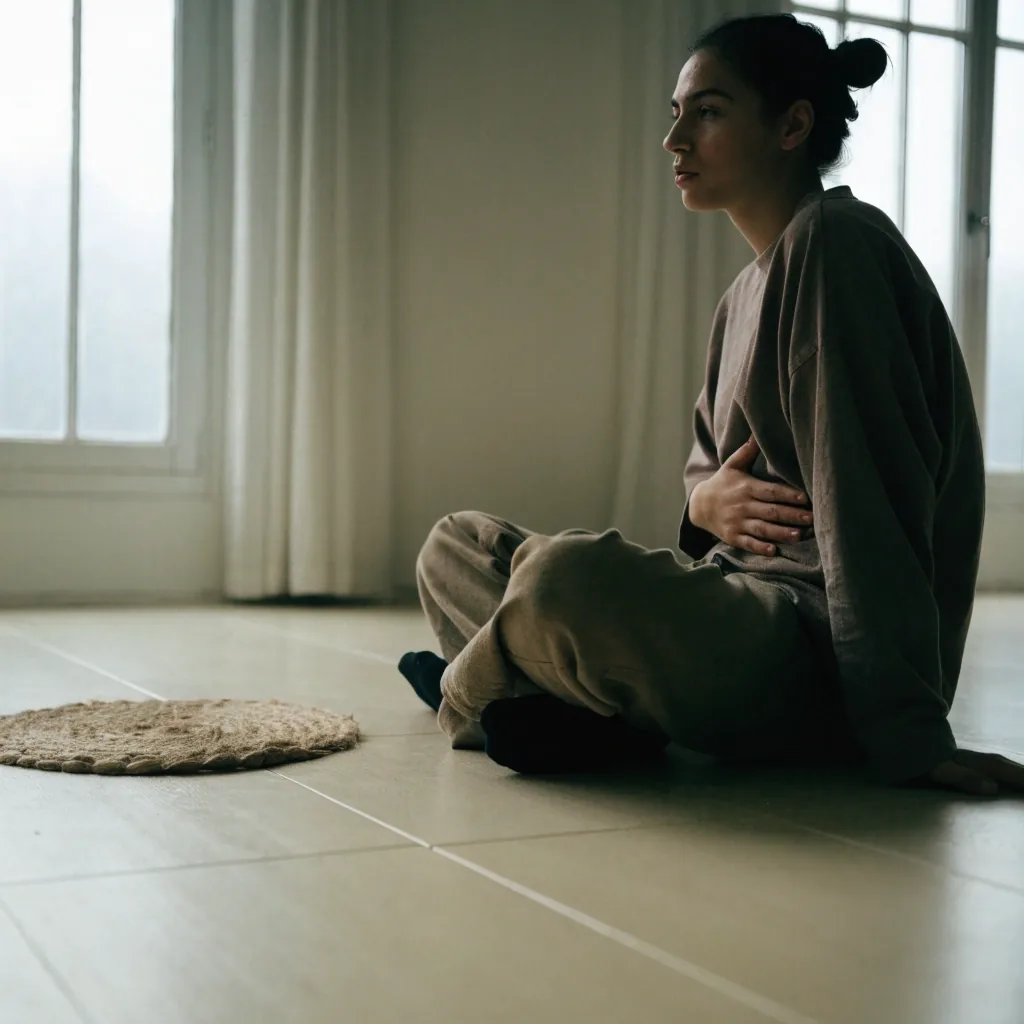
The room you practise in does most of the work
A quiet space, a few minutes, and a surface you are not fighting. That is the whole setup.
What Kegel exercises actually are
Kegel exercises are contractions of the pelvic floor muscles. The term comes from Arnold Kegel, who described the technique in the mid-twentieth century.
Public health resources such as those from the National Institute of Diabetes and Digestive and Kidney Diseases describe the exercise as pelvic floor muscle training.
Locating the muscles: a simple description
One widely used description, found in public health guidance for men, is to imagine tightening the ring of muscle around the back passage as if you were trying to hold in wind.
Another cue, used in self-care guides, is to imagine stopping the flow of urine mid-stream. That second cue is for identification only, not for regular practice, because repeatedly interrupting urination can cause problems. Once you can feel the muscles, you can train them at other times.
The difficulty is usually in locating the right muscles and relaxing them completely afterward, not in the squeeze itself.
Slow contractions and quick contractions
Pelvic floor training usually includes two kinds of effort. Both belong in a balanced routine.
-
hold 5 sec
Slow contractions
Hold a squeeze for several seconds, then release fully. Builds endurance in the muscle fibers.
-
10 reps
Quick contractions
Short, crisp squeezes with a full release in between. Trains a faster response.
-
rest 5 sec
Full release between
Letting go completely matters as much as the squeeze. Relaxation is half the exercise.
-
throughout
Steady breathing
Breathe through the contraction instead of holding your breath. It makes control easier.
How to begin without overdoing it
Beginners often assume more effort means better results, then wonder why the muscles feel tired after two days. A calmer approach works better. Start with short sessions, learn to feel the muscles, and build the habit before adding repetitions.
The beginner routine on this site walks through slow contractions, quick contractions, and breathing cues in a sequence you can follow at home. If you are unsure whether you are engaging the right muscles, the technique library explains common mistakes, including squeezing the buttocks, thighs, or stomach instead of the pelvic floor.
If you are completely new, the technique library is the most useful place to start. Once the movement feels familiar, move on to the beginner routine.
Short first
A few minutes a session is a real session. Length comes later.
Feel first
Learn the sensation before counting repetitions.
Stop when tired
Fatigue is a signal to end the session, not push through it.
Everyday habits that support practice
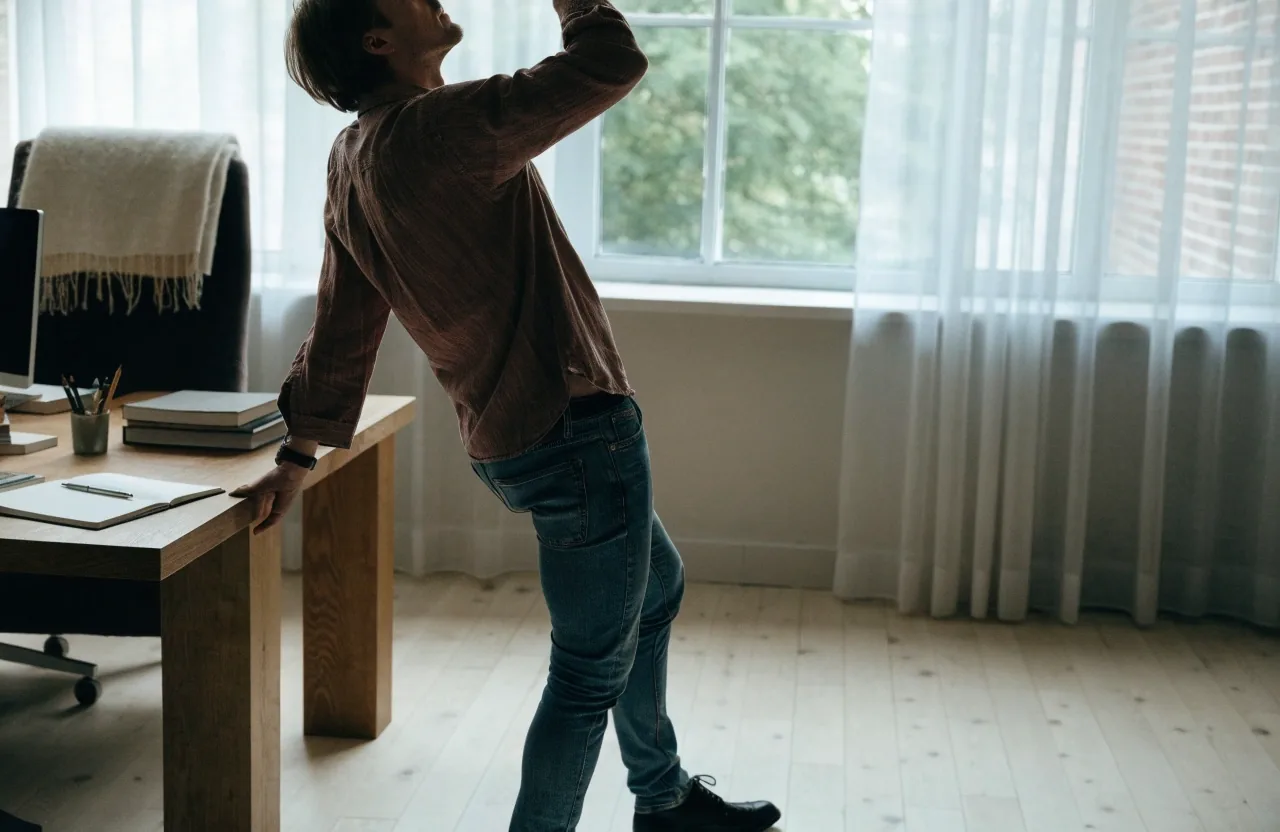
Movement breaks during long sitting, enough water through the day, a reasonably consistent sleep rhythm, and a few minutes of calm breathing all make the practice feel less like a chore.
None of these habits is dramatic on its own, and that is the point.
Building a weekly routine you can keep
A routine of a few short sessions per week is easier to maintain than one long session you dread. The routine builder helps you pick session length, choose whether to emphasise slow or quick contractions, and select reminder days.
You can print the summary and keep it somewhere visible. Adjust the plan whenever your schedule changes, and treat the plan as a starting point rather than a fixed rule.
A workable starting shape
3–4
sessions per week
4–6
minutes per session
5
second slow hold
10
quick contractions
These are starting figures to hold a shape around, not targets. Ease off if the muscles feel tired the next day.
What this site does not do
This site does not sell supplements, devices, or courses. It does not offer personalised plans, and it does not tell you what your body needs. It also does not promise that pelvic floor training will change anything specific for you.
What it does is explain the exercises in plain English, describe common mistakes, and point to the kind of general information that public health bodies publish. You decide what fits your situation, ideally with qualified guidance.
A note on expectations and pace
Learning to feel and control a muscle group you have never trained takes time, and the pace varies from person to person. Some people notice better awareness within a couple of weeks of regular practice. Others need longer.
There is no standard timeline, and this site will not pretend there is one. What you can control is whether you practise consistently and whether you pay attention to technique.
If you already work with a physiotherapist or another qualified professional, use this site as background reading rather than a replacement for their guidance. Bring questions to your next appointment.
Where to go next
Four pages cover most beginner needs. Start where your question is.
Beginner pelvic floor routine
A session to follow at home: slow contractions, quick contractions, and breathing cues in order.
Exercise technique library
Fixes form problems: how to engage the pelvic floor without squeezing the buttocks, thighs, or stomach.
Daily habits for men's wellness
Practical ideas that fit around work and family life: movement breaks, water, sleep rhythm, calm breathing.
Routine builder
Choose session length, emphasise slow or quick contractions, pick reminder days, and print a weekly summary.
Common questions
The details that come up most often before someone starts.
Do I need any equipment to start pelvic floor exercises?
No. The exercises use your own muscles and can be done lying down, sitting, or standing. A quiet space and a few minutes are enough.
How do I know I am using the right muscles?
The most common description is tightening the ring of muscle around the back passage as if holding in wind. If your buttocks, thighs, or stomach are doing the work, you are probably squeezing the wrong area. The technique library covers this in detail.
Can I do these exercises if I sit at a desk all day?
Yes, and desk workers often benefit from adding movement breaks. Sitting for long stretches can leave the muscles feeling sluggish, so standing up regularly helps.
Does this site recommend any products?
No. Pelvic Strength Guide is an educational resource only. It does not sell or recommend supplements, devices, or paid programmes.
A short word on language
The guidance here is written in English for readers in Indonesia. Where possible, the wording avoids jargon and explains terms the first time they appear. If a phrase is unclear, the common questions page may already cover it, and the contact page is open for suggestions about topics worth explaining better. Plain language is part of the site's purpose, not an afterthought.
Use this site alongside professional advice
If you have no professional support and feel uncertain, that is a reasonable reason to seek some. Education works best when it supports good decisions rather than replacing them. Bring your questions to a qualified professional and use what you read here as background.
Pelvic Strength Guide · Jl. Jenderal Sudirman No. 52, Jakarta Pusat, DKI Jakarta 10220, Indonesia · Monday to Friday, 9:00 AM – 6:00 PM (WIB) · Reach the editorial desk